Hurricane preparation & evacuation
The cone is moving toward you. Landfall is five days out, then three, then twelve hours. Here is what to do at each stage — whether you are on the coast or six hours inland.
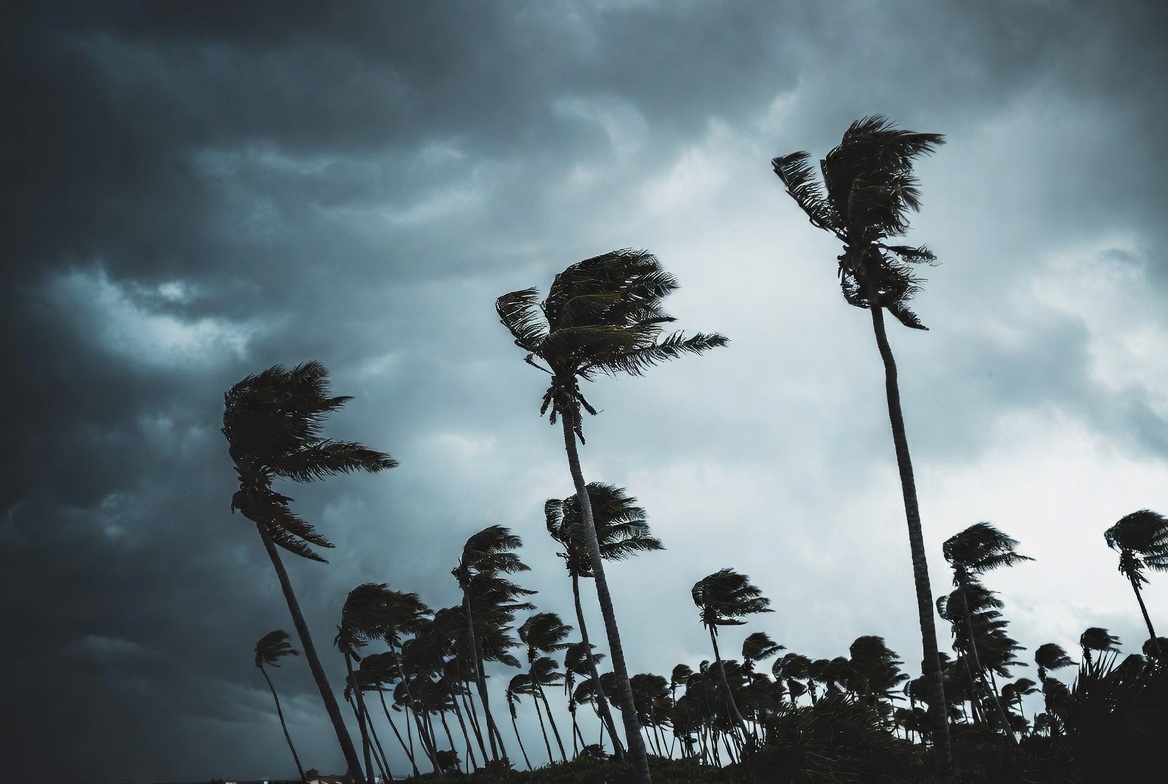
A hurricane playbook is two playbooks at once — the evacuation decision and the shelter-in-place plan — and the line between them often gets drawn three days before the storm. Water, power, and communications are the domains that decide whether the next two weeks are an inconvenience or an emergency.
5+ days out — when it's still a cone of probability
- Top off every vehicle's fuel tank. Pumps lose power inland and lines start within 48 hours of a watch.
- Pull $200–500 in small bills from the bank. ATMs go down. Gas stations and small stores will take cash when card readers won't work.
- Refill any prescription that has fewer than 14 days remaining. Pharmacies close, supply chains slow, and 'I'll get it Monday' is not a plan.
- Pick the evacuation route now. Two of them — primary and inland fallback — printed on paper. Phones lose signal and battery; an atlas does not.
- Photograph every room of your house. Open closets, run the camera across the contents. This is insurance documentation, and you will not remember to do it on landfall day.
- Move critical documents — IDs, insurance, deeds, prescriptions list — into a waterproof bag. A gallon-size freezer bag is fine. The bag travels with you whether you stay or go.
- Run the generator. Test it outside, on the ground it will sit on. Pre-stage the cords. Verify the fuel is still good — gasoline goes stale in six months without stabilizer.
48–72 hours out — watch becomes warning
- Decide stay or go. The decision is harder to make under pressure and the answer rarely changes after 48 hours. If you are in an evacuation zone, leave on the first day of the warning, not the last.
- Fill the bathtub and every large container you own with water. This is not drinking water — it is for flushing toilets and washing when the mains lose pressure.
- Drinking water: one gallon per person per day, three days minimum. A family of four, three days, is twelve gallons. Buy the jugs early — store shelves empty fast.
- Eat down the fridge. Start with the leftovers and the things that will spoil first. Move toward the freezer as power becomes uncertain.
- Charge every battery in the house. Phones, power banks, headlamps, portable power stations, the radio.
- If your house is exposed to wind: board windows with plywood, not tape. Tape does not hold glass together; it only makes the shards bigger.
- Move outdoor furniture, grills, planters, anything that becomes a projectile, into the garage. Whatever you don't bring in is going to hit someone's house.
- Tell two people who don't live with you what your plan is — where you'll shelter, when you'll check in. This is your wellness check if comms drop.
During — landfall and the 24 hours that follow
- Shelter in an interior room with no windows. Hallway, closet, or interior bathroom. Bring water, phones, the NOAA radio, and a mattress to pull over you if the room loses the ceiling.
- Do not run a generator indoors or in an attached garage. Carbon monoxide is the single largest post-storm killer in every hurricane. Outside, at least 20 feet from any window or door, on a level surface.
- Do not open the fridge or freezer unless necessary. A closed fridge holds safe temperature for about 4 hours; a full freezer, about 48.
- Conserve phone battery: airplane mode, dim screen, one device for group check-ins. Text rather than call — text gets through when voice doesn't.
- Listen to the NOAA Weather Radio, not just your phone. Cell towers fail in landfall conditions; the NOAA frequencies broadcast through it.
- If the eye passes over you, the calm is the middle of the storm — not the end of it. Stay sheltered. The second half of the storm comes with the wind reversed.
- Do not drive through standing water. Six inches reaches a tailpipe; twelve inches floats a small car; eighteen inches floats a truck. You cannot see what's under it.
After — the first week
- Photograph all damage before you touch anything. Insurance claims live and die on dated photos taken before cleanup.
- Assume every downed power line is live. Don't drive over them, don't move them, don't let pets near them. Call the utility, not 911 unless someone is hurt.
- Boil-water orders are the default after a major storm. Treat tap water as suspect until your local utility says otherwise — bring it to a rolling boil for one minute (three at altitude).
- Check the freezer before opening. If it stayed below 40°F, the contents are safe. If not, when in doubt, throw it out. Refrozen meat that thawed past 40°F is not worth the food poisoning.
- Run the generator only outdoors, only on a level surface, only refueled when cool. Most post-storm CO deaths happen after the storm, not during it.
- Refuse cash-only, door-to-door contractors offering immediate repairs. Storm-chasing scams target the elderly and the distracted. Document, photograph, file the claim, and use a licensed contractor.
- Replace everything you used: water, batteries, fuel, propane, prescriptions. This is also when you write down what you wish you had — the most honest review of your kit you will ever do.
I lived through Hurricane Irma in Augusta, GA in September 2017. I was not on the coast. I was 2 and a half hours inland, and the storm still came for us — sustained tropical-storm-force winds, 24 hours without power, a freezer of food we ate down in two days because we hadn’t been ready for the outage to last as long as it did. The thing I most remember is how confidently I had told myself, the week before, that this was a coastal problem.
It is not a coastal problem. Hurricane Irma knocked out power for millions of people in Georgia, Alabama, Tennessee, and the Carolinas — people who had never seen a hurricane in their lives and were not in any evacuation zone. The storm followed the highways inland and then it followed the rivers. If you live anywhere east of the Mississippi and south of Ohio, hurricane season is your season too, and a hurricane playbook is your playbook.
This playbook leans hardest on three of the nine domains: water, power, and communications. Shelter and food matter, but they do not fail the way water, power, and contact-with-the-outside-world fail. Those three are where the next two weeks are decided.
The hurricane plan at four depths
The playbook above is the event. The links below are the prep system — sized to the depth your household can actually sustain, with checklists, weighted domains, and the questions that come up for each combination.
Get the next playbook before the next storm.
When the next event playbook ships, you get it the day it drops — alongside the 72-hour starter pack PDF today. One new piece every other Sunday.
- The 72-hour starter pack PDF, immediately.
- An email the day the next playbook drops.
- No upsells, no data sold, one-click unsubscribe.