The Library.
Every guide, checklist, playbook, and gear breakdown The Backstop has published. New content lands every other Sunday.
Guides
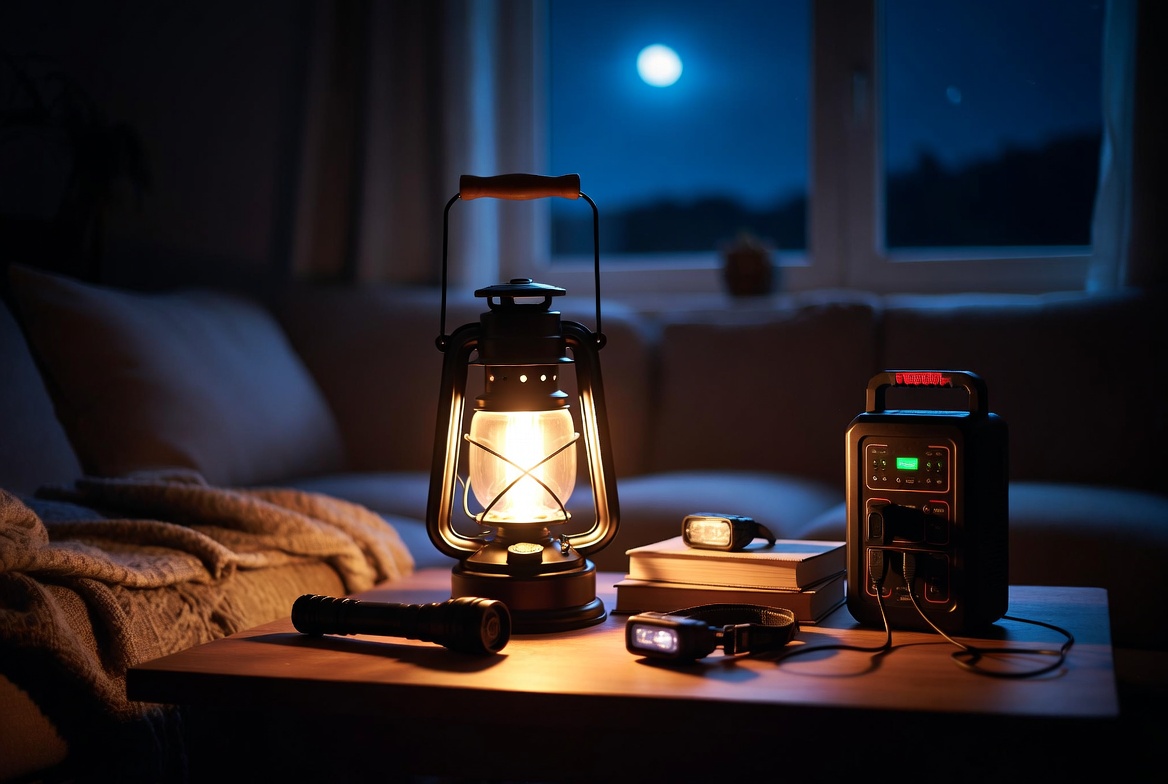
The 72-hour baseline: what every household actually needs
No bunker. No tactical gear. Just the small, finite set of supplies and decisions that turns a bad weekend from a crisis into an inconvenience.
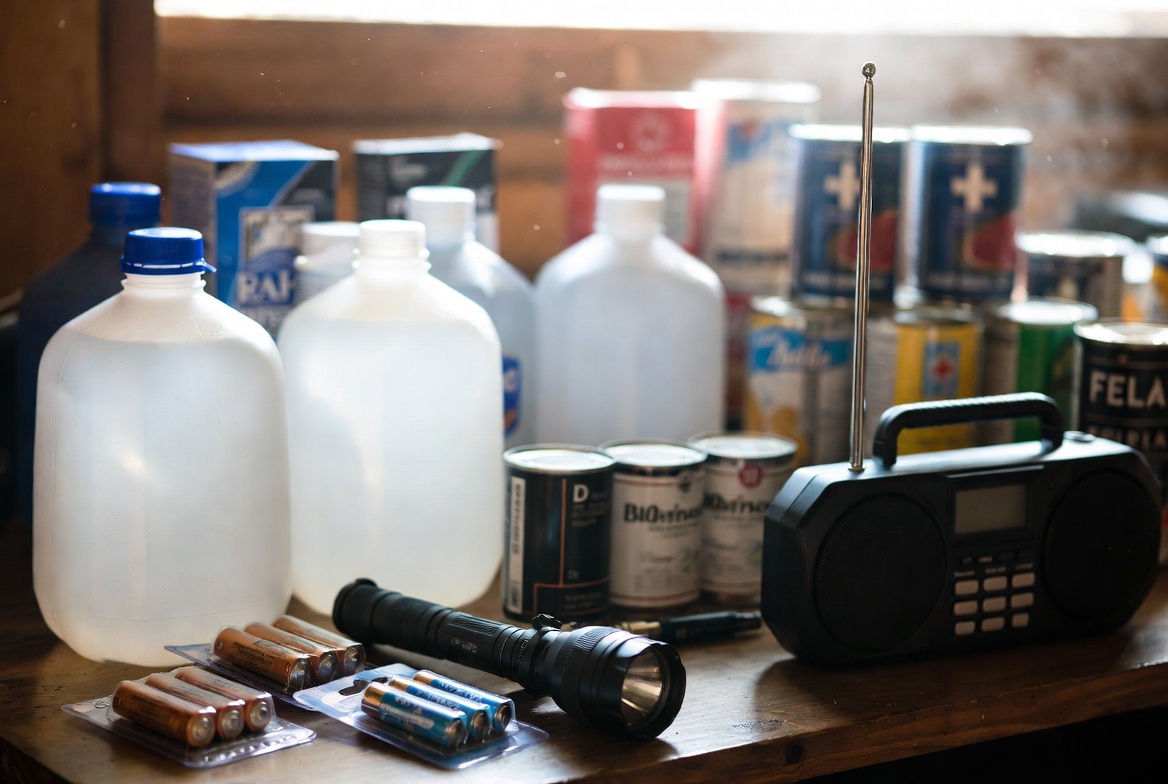
The family communication plan
When the cell network fails, the households that find each other are the ones that decided how before they had to. A working family communication plan is one page of paper, three decisions, and a radio that costs less than a tank of gas.
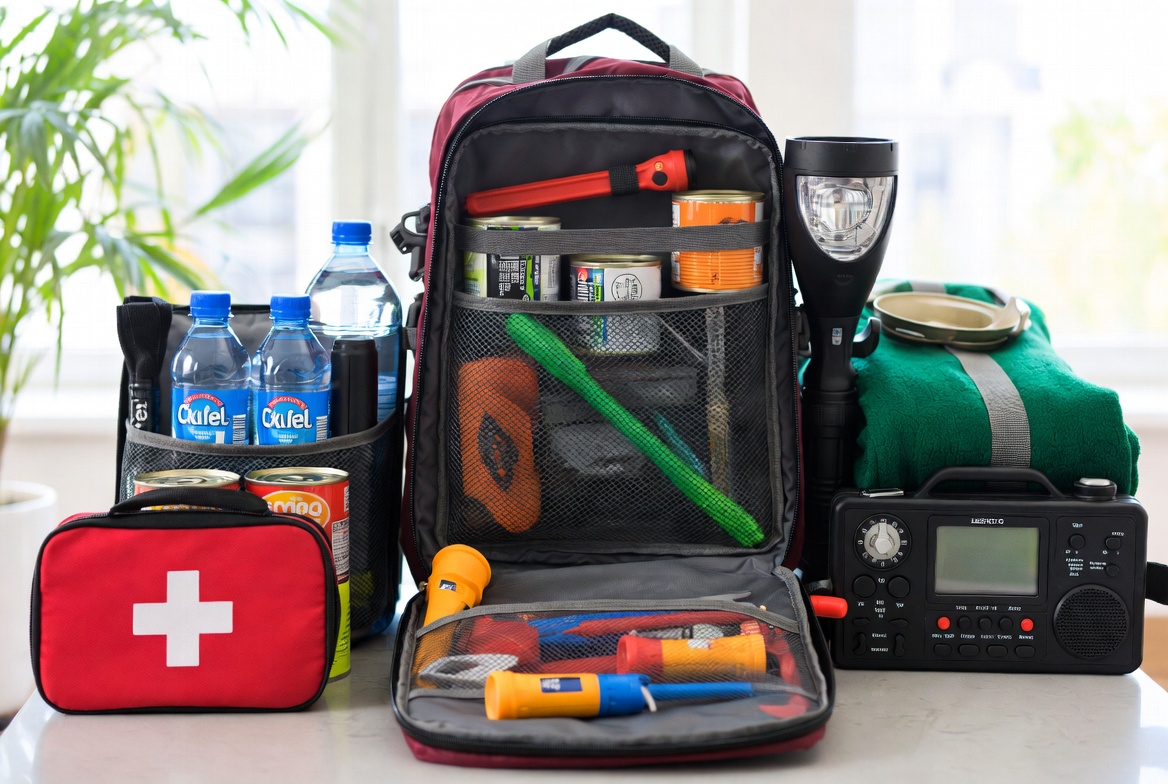
The grab-and-go document kit
A disaster that takes your house also takes the paper that proves your house existed. One binder, one evening, and about forty dollars closes the gap — identity, access, and the records that make recovery a process instead of a second crisis.
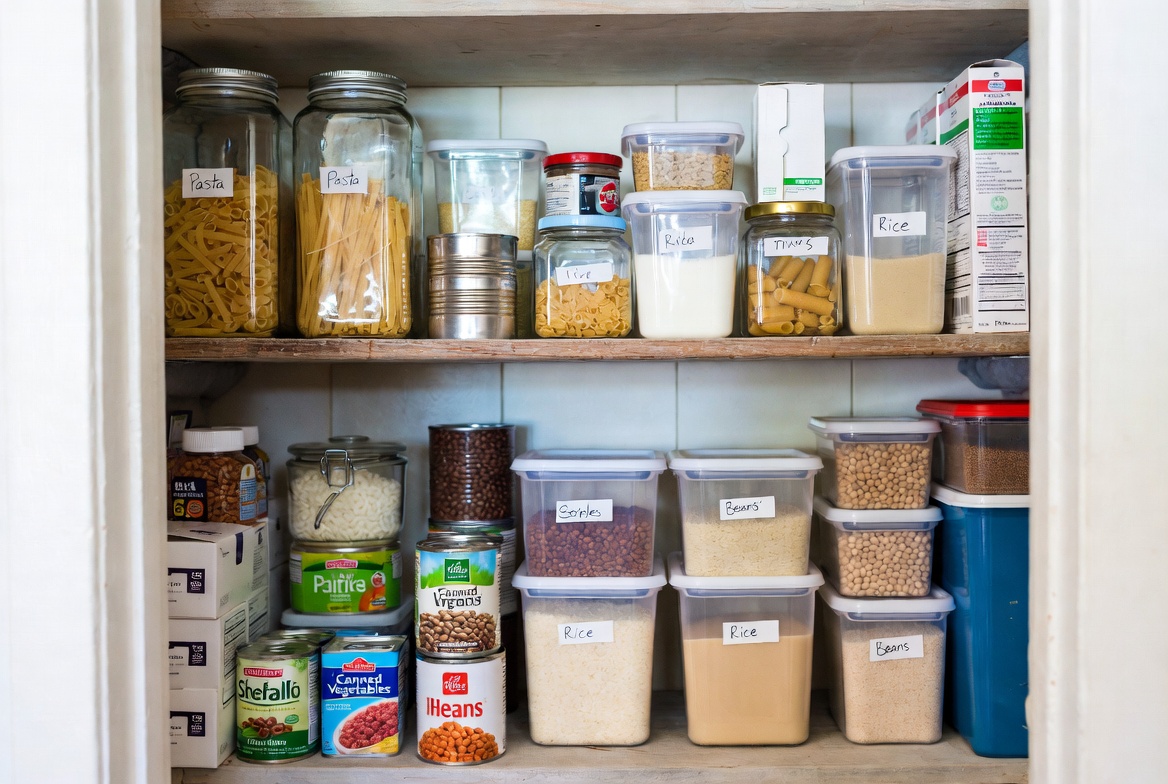
Building a two-week food supply
Beyond the 72-hour shelf. How to extend a pantry into a two-week buffer using groceries you already eat — not a stack of buckets gathering dust.
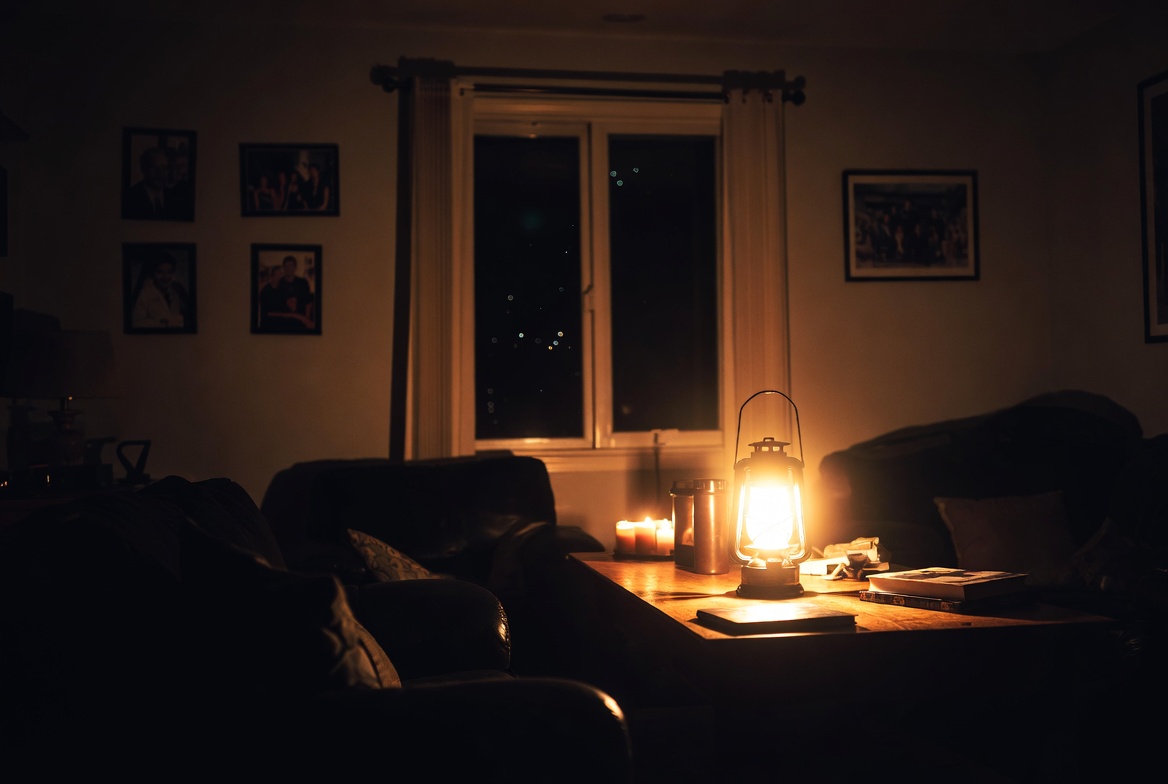
Two weeks of heat without the furnace
Cold kills inside houses, and it does it slowly enough that people don't notice the line being crossed. A two-week heat plan is not a bigger heater — it is one warm room, three layers of insulation, a safe fuel budget, and a carbon monoxide rule with no exceptions.
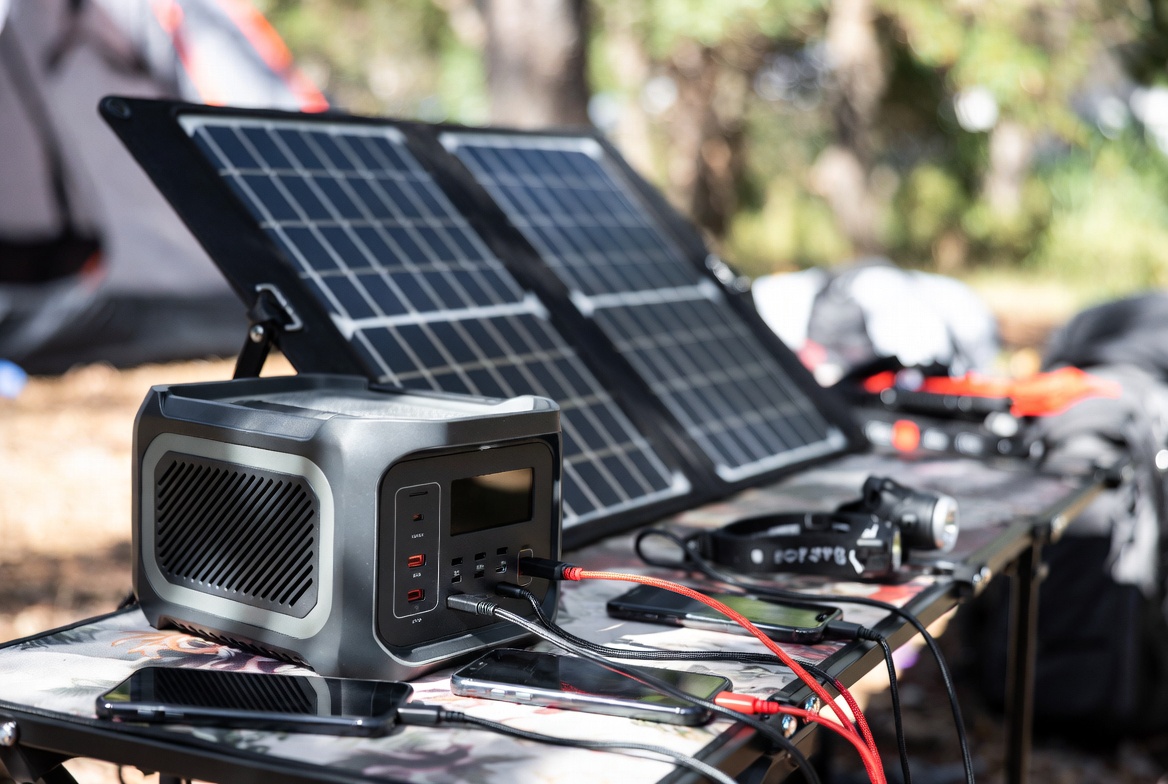
Two weeks without grid power
A 72-hour outage is a logistics problem. Two weeks is an arithmetic problem. Here is what changes — the math, the gear, and the daily rhythm that turns a long blackout into a manageable one.
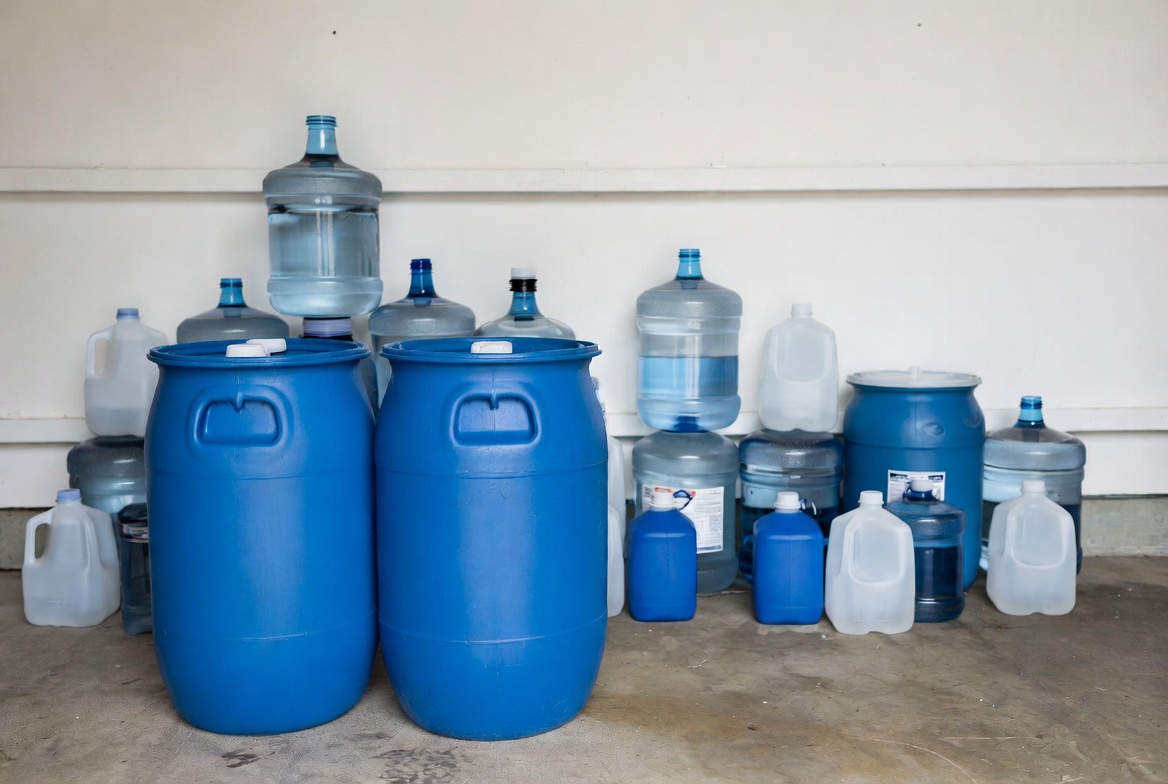
Two weeks of water
Fourteen gallons per person is the number, and the number is the easy part. The hard parts are weight, floor space, rotation, and what happens on day nine when the stored water runs out — which is why a real two-week plan is storage plus treatment plus sourcing, not a wall of jugs.
Water storage for a family of four
A gallon per person per day is the answer everyone repeats. Here is what that actually looks like on a shelf, where to put it, and how to keep it drinkable.
Checklists
72-hour readiness checklist
The full short-list. Water, food, power, light, first aid, documents, comms. If you finish this list, your household is ready for 72 hours.
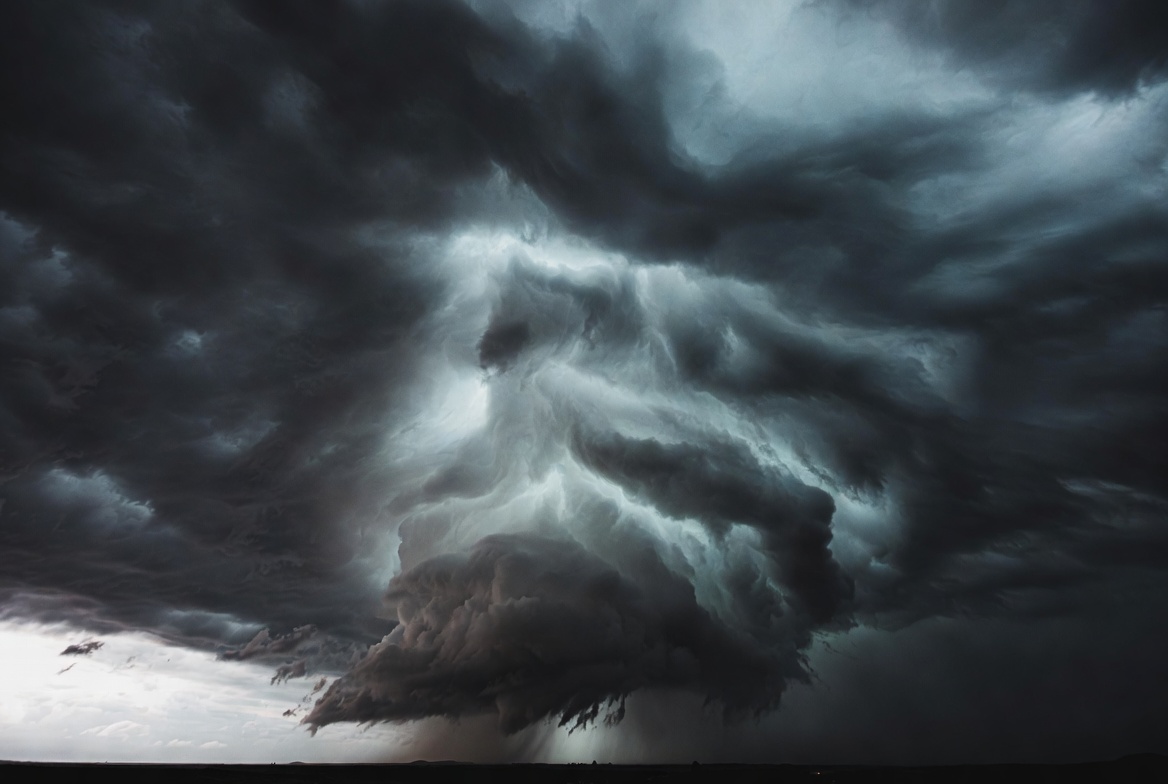
Hurricane preparation checklist
The pre-storm punch list, plus the items you wish you'd had when the power was out and the road was closed. Mapped to two weeks of self-sufficiency, because that is how long inland recovery actually takes.
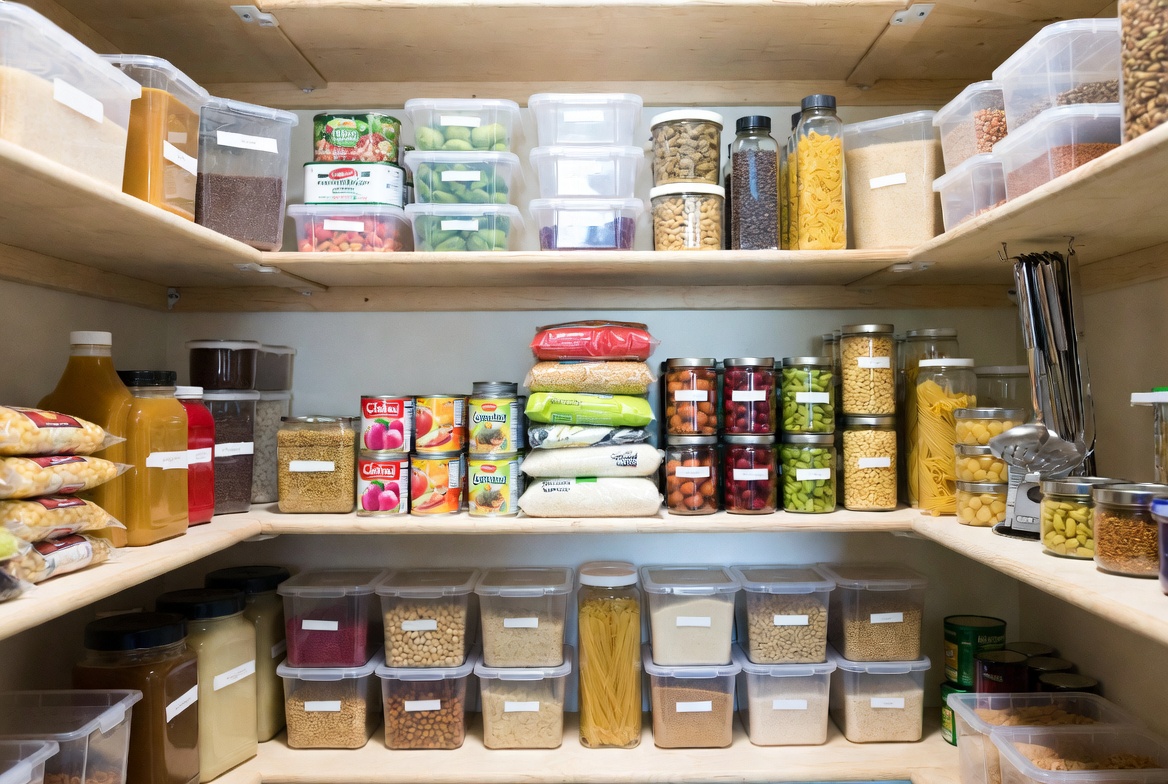
Two-week pantry checklist
A working list to take to the grocery store. Built around foods you actually eat, organized so nothing rots in the back of a shelf.
Playbooks
Grid-down: when the power doesn't come back
There was no warning. The lights are out, the radio is silent, and the outage is not on the utility map. Here is what to do in the first hour, the first day, the first week, and the week after that.
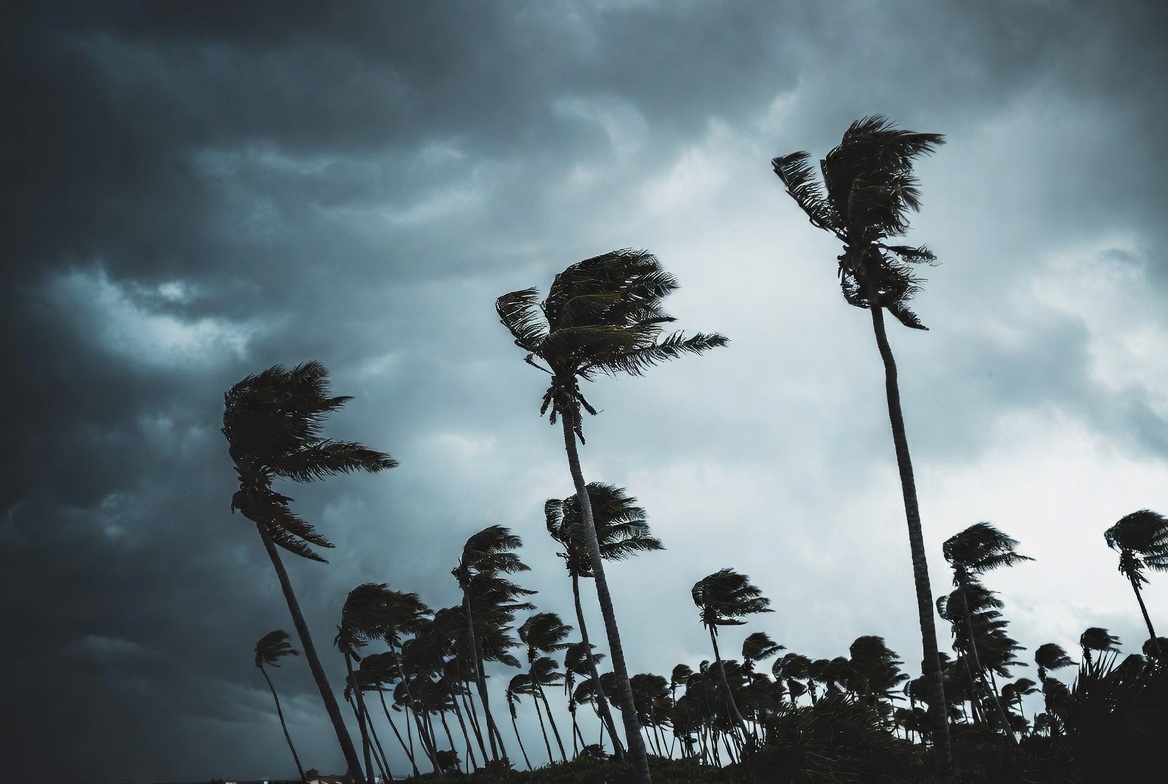
Hurricane preparation & evacuation
The cone is moving toward you. Landfall is five days out, then three, then twelve hours. Here is what to do at each stage — whether you are on the coast or six hours inland.
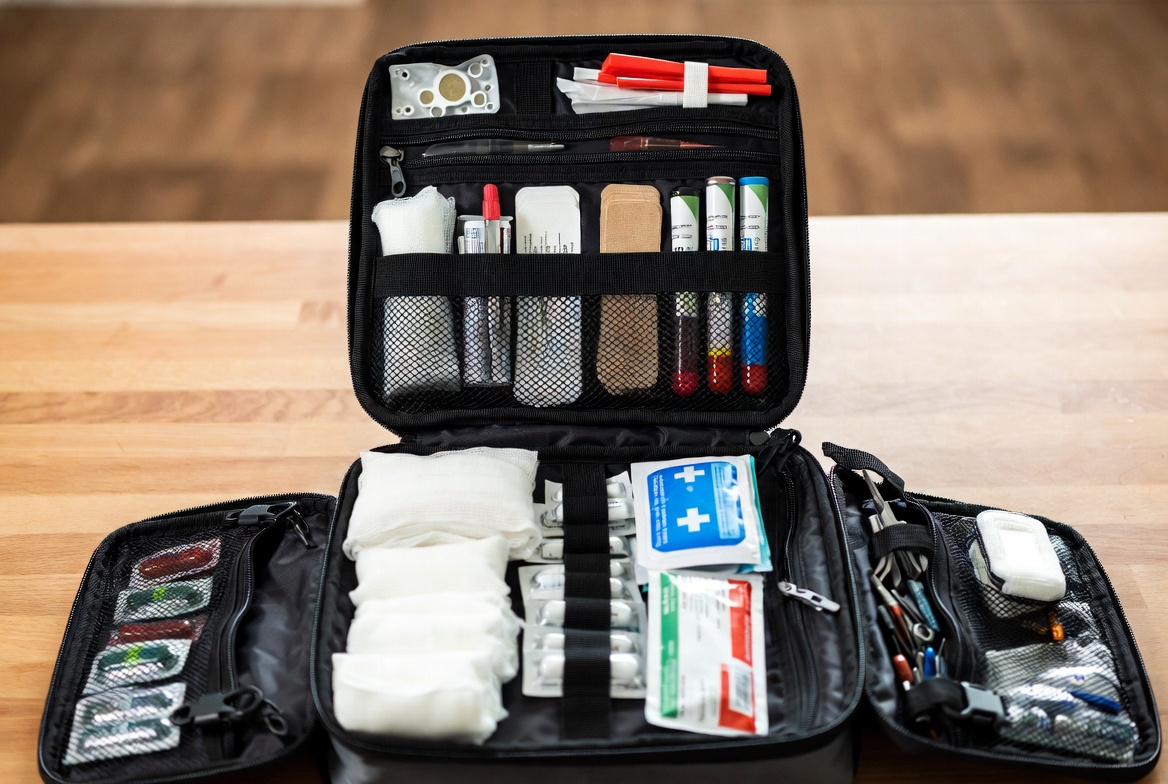
Household medical emergency
Someone in the house just got hurt or fell ill. EMS is coming, but the next ten minutes are yours. Here is what to do in the first sixty seconds, while you wait, and in the days after.
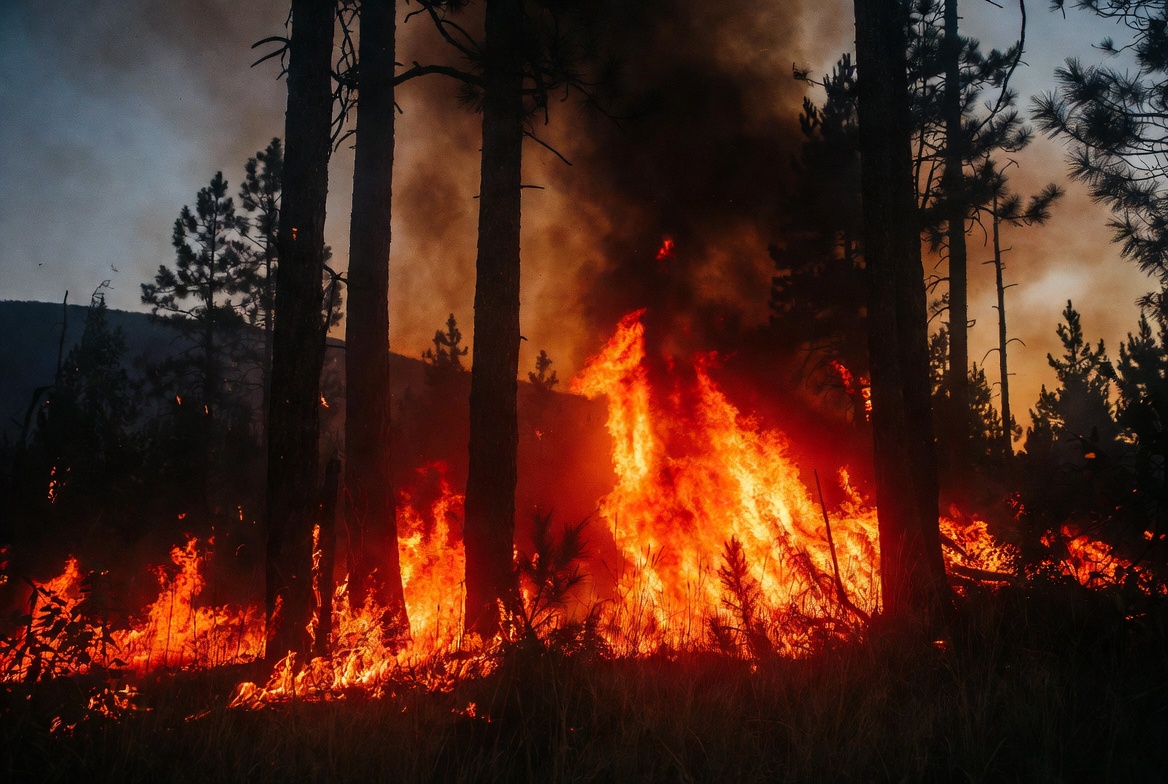
Wildfire evacuation
The smoke comes first. Then the warning. Then the order. Here is what to do before the season, when the alert hits your phone, and in the hour you have to leave.
Winter storm & extended power outage
The forecast calls for ice. The grid is going to fail. Here is what to do in the 48 hours before, during the outage, and in the days after.