Power & Light
When the grid goes.
Power outages are the most common emergency a household will face and the one most likely to be planned for incorrectly. The instinct is to size up — to picture the worst-case scenario, then buy the largest generator the budget will allow. The actual outage starts at dusk on a Tuesday, the house goes dark, the phones are at thirty percent, and the generator that solves the problem is sitting in a garage where the owner has never started it. Power and light is a layered domain. The smallest layer matters most.
The system: light, charge, run
A complete power plan covers three levels of need.
Light is the ability to see. The first thing that goes when the grid drops, and the first thing that affects morale. Handled by headlamps, flashlights, and lanterns — small devices, distributed throughout the house, with batteries that match.
Charge is keeping small electronics alive. Phones for communication, weather radios, headlamps, medical devices. A power bank or two and a way to recharge them — wall, car, solar — covers the middle ground.
Run is keeping larger loads operating. A refrigerator, a freezer, a medical device, a furnace fan. This is the layer that requires real power infrastructure, and the one most households over-invest in before the smaller layers are solved.
The four levels for power
72 hours. Three flashlights, three headlamps, two lanterns, fresh batteries. One power bank capable of three full phone charges. Light and charge are solved.
Two weeks. A solar panel and a portable power station — even a small one — extend the timeline indefinitely on small loads. A propane camp setup carries cooking. A handful of LED lanterns make the house livable after dark.
Three months. A serious power station (one to two kilowatt-hours) plus enough solar to keep it topped up. A generator if you have medical needs that require it, with the fuel and stabilizer to actually run it. A rough load plan for what gets powered and what stays off.
Long-term. Whole-home backup. Solar plus battery, or a propane generator with a real fuel reserve, or a grid-tied system with battery backup. The household runs on its own terms.
First moves
- Buy three flashlights. Put one by the bed, one in the kitchen, one in the basement or the entry hall. Headlamps are better than flashlights when both hands need to work. The right number is “more than you think.”
- Buy a power bank that holds three full phone charges. Twenty thousand milliamp-hours, name brand, with a wall charger that lives next to it. Charge it the day you buy it.
- Locate your main breaker. Confirm everyone in the household can find it in the dark.
- Inventory your battery use. AA, AAA, and any specialty sizes — what runs on them, how many spares you have. Most households are short by a factor of three.
- Start the generator you own. If you have one and have never run it, this weekend. If it does not start, fix it now, not during the outage.
Common mistakes
Buying the big layer first. A generator without flashlights is a household that cannot see well enough to refuel it.
Fuel storage without rotation. Gasoline degrades in six months without stabilizer, faster in heat. Propane is stable indefinitely, which is why most prep generators run on it.
Owning a generator that has never started. Generators are mechanical devices that fail when they sit. Run yours quarterly under load for at least fifteen minutes. Cycle the fuel annually.
Forgetting the things that draw nothing but matter most. Smoke detectors and CO detectors run on batteries that go dead. A fire during an outage is a worse problem than the outage. Replace those batteries on the same schedule you change clocks.
Where to go next
The power outage kit gear breakdown walks through the specific equipment at three price tiers — the cheap setup that solves the seventy-two-hour problem, the mid setup that extends to two weeks, and the premium setup that handles months. The winter storm playbook covers what to do when the outage arrives in the cold, which is where most fatalities happen.
Guides, checklists, and gear for power & light.
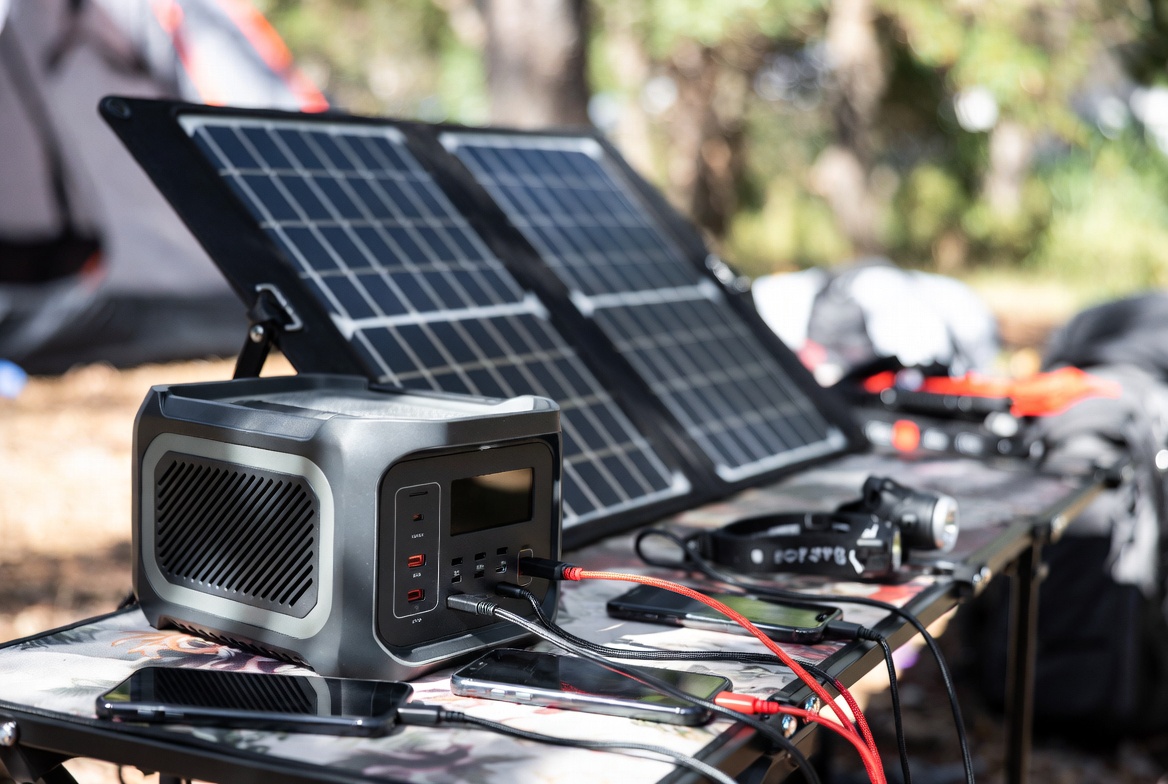
Two weeks without grid power
A 72-hour outage is a logistics problem. Two weeks is an arithmetic problem. Here is what changes — the math, the gear, and the daily rhythm that turns a long blackout into a manageable one.
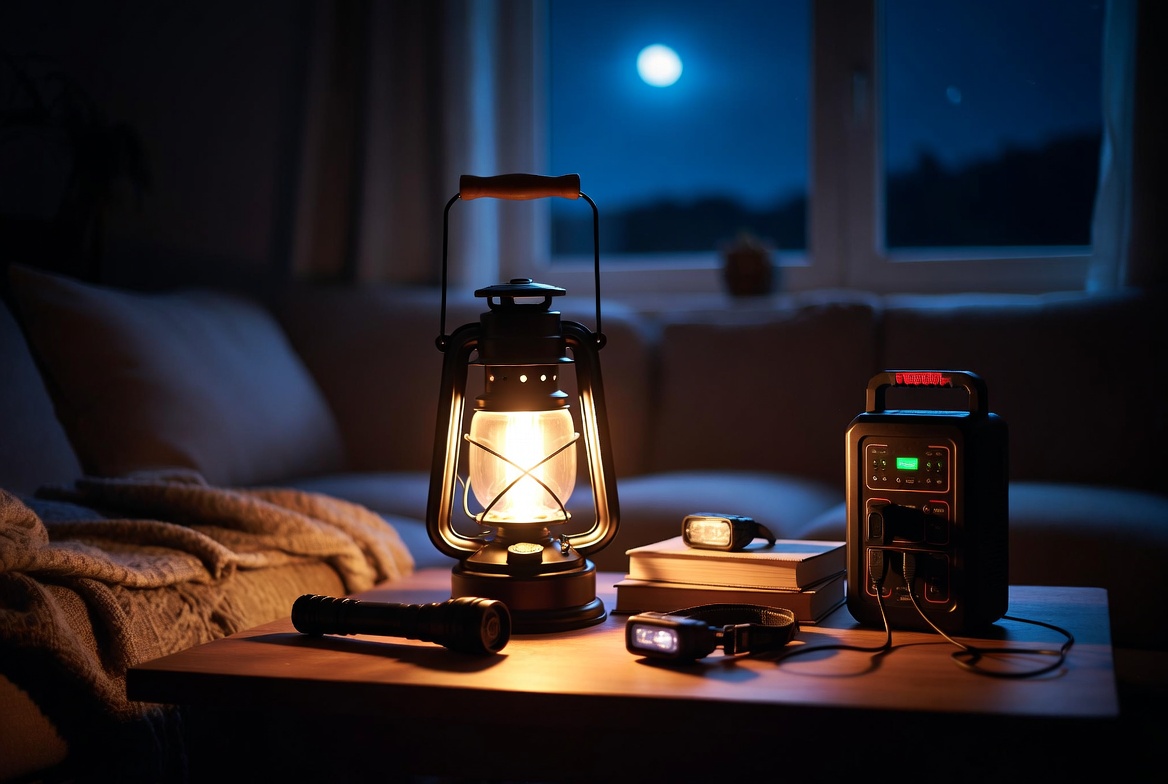
Power outage kit — three budget tiers
The same job, three price points. What we recommend at $80, at $300, and at $1,200 — and the honest reasons to pick each.
Get the next power & light guide in your inbox.
When the next power & light guide, checklist, or gear breakdown ships, you'll be the first to see it. Plus the 72-hour starter pack as a printable PDF today.
- The 72-hour starter pack PDF, immediately.
- An email the day the next power & light piece drops.
- No upsells, no data sold, one-click unsubscribe.